Explore The Nature Landscape
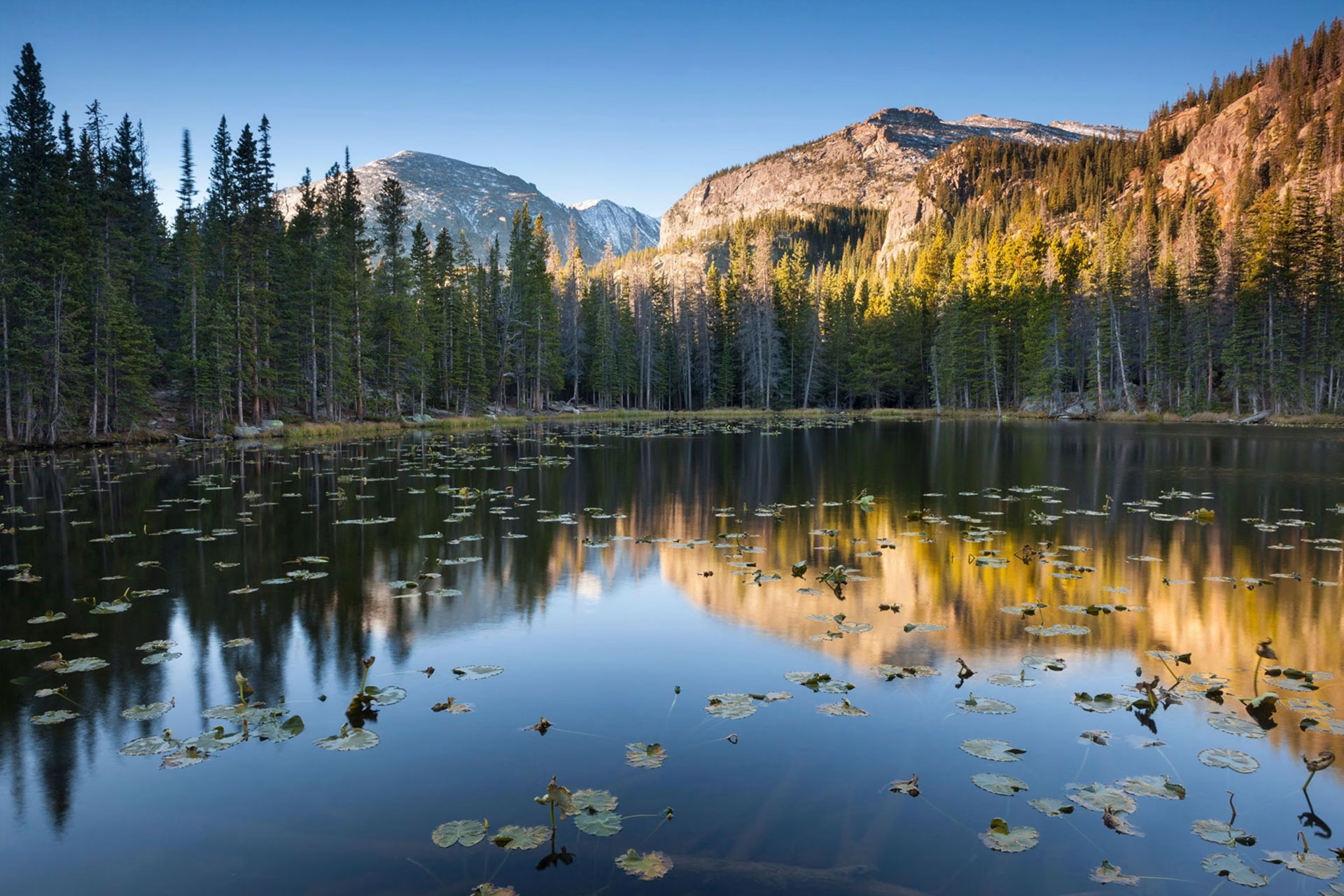
Rocky Mountain National Park
Rocky Mountain National Park in northern Colorado spans the Continental Divide and encompasses protected mountains, forests and alpine tundra. It’s known for the Trail Ridge Road and the Old Fall River Road, drives that pass aspen trees and rivers. The Keyhole Route, a climb crossing vertical rock faces, leads up Longs Peak, the park’s tallest mountain. A trail surrounding Bear Lake offers views of the peaks.
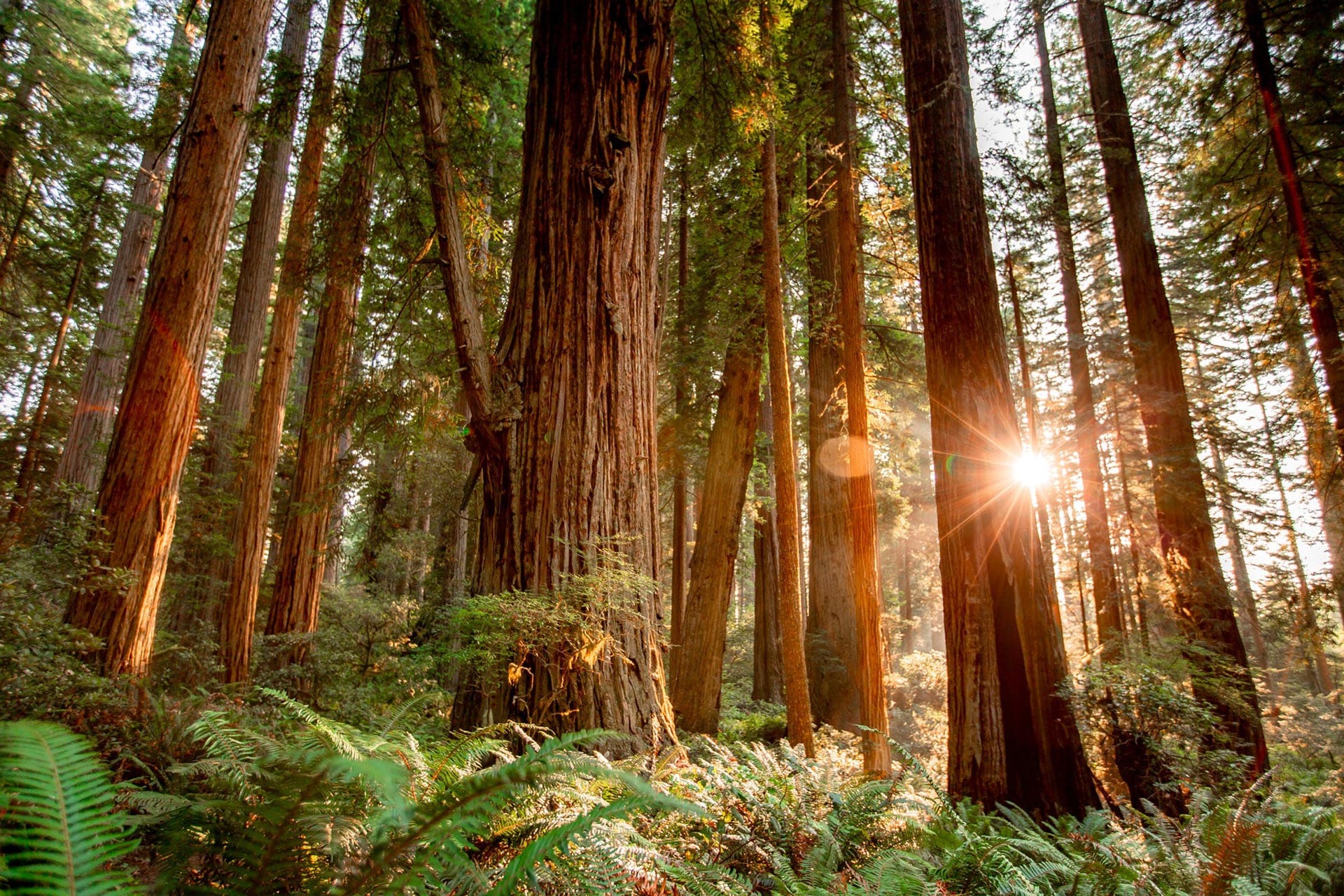
Redwood National and State Parks
Redwood National Park comprises a region of coastal mountains bordering the Pacific Ocean north of San Francisco. It is covered with a magnificent forest of coastal redwood trees, the tallest and most impressive trees in the world. The marine and land life are equally remarkable, in particular the sea lions, the bald eagle and the endangered California brown pelican.
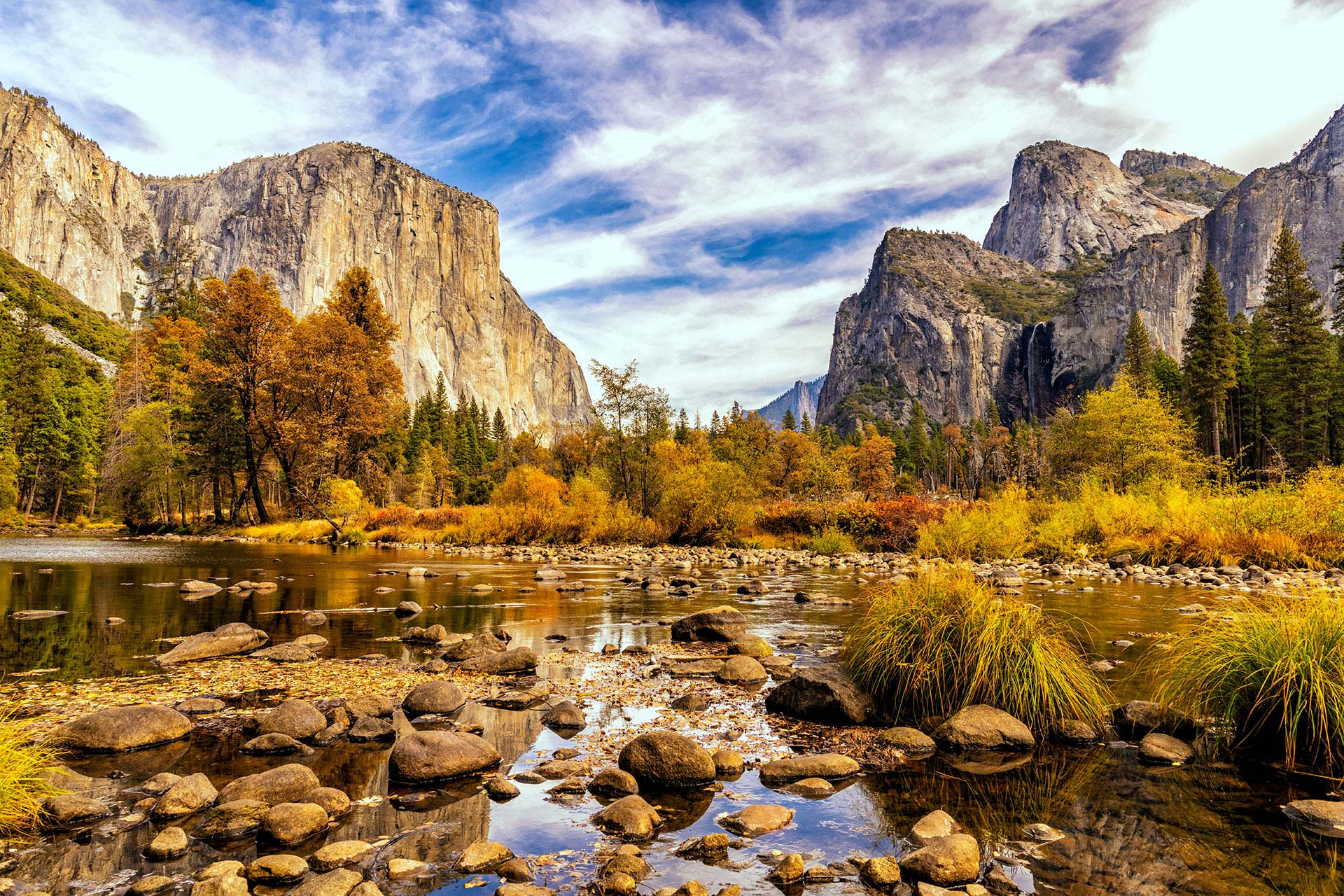
Yosemite National Park
Yosemite National Park lies in the heart of California. With its ‘hanging’ valleys, many waterfalls, cirque lakes, polished domes, moraines and U-shaped valleys, it provides an excellent overview of all kinds of granite relief fashioned by glaciation. At 600–4,000 m, a great variety of flora and fauna can also be found here.
The Latest Blog Posts
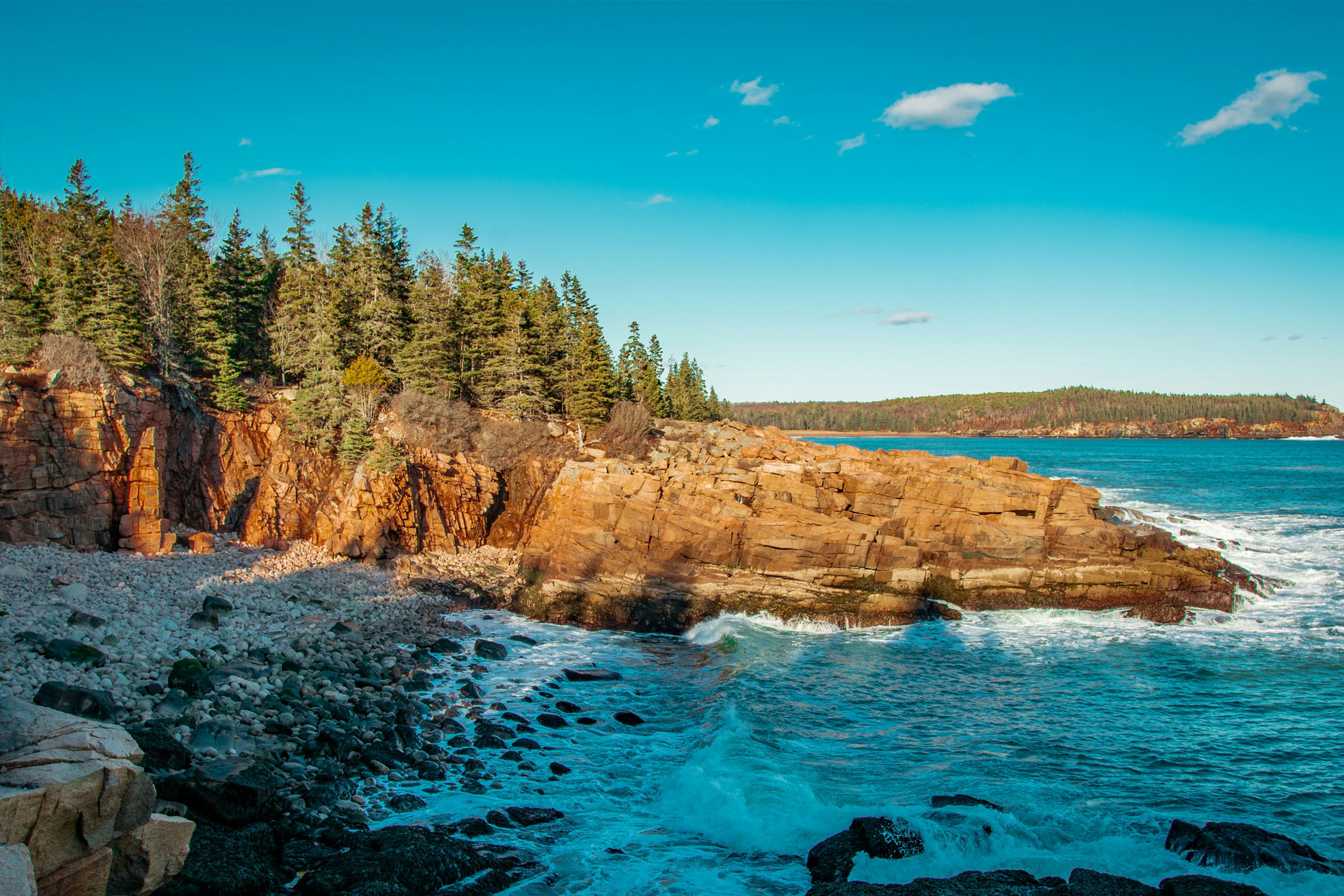
Acadia National Park
Acadia National Park is a 47,000-acre Atlantic coast recreation area primarily on Maine’s Mount Desert Island. Its landscape is marked by woodland, rocky beaches and glacier-scoured granite peaks such as Cadillac Mountain, the highest point on the United States’ East Coast. Among the wildlife are moose, bear, whales and seabirds. The bayside town of Bar Harbor, with restaurants and shops, is a popular gateway.
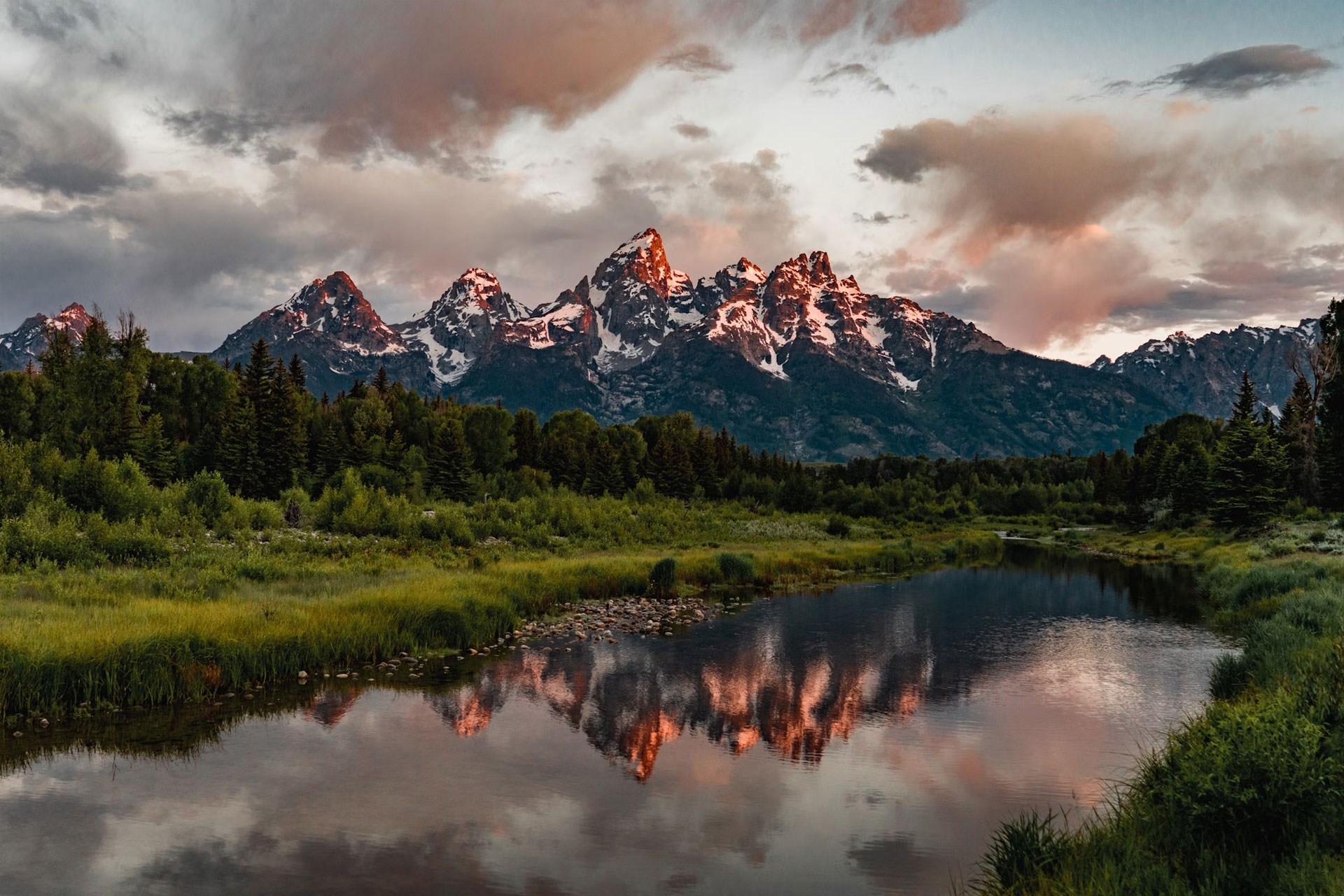
Grand Teton National Park
Grand Teton National Park boasts 310,000 acres of lush valley floors, mountain meadows, alpine lakes and the rising peaks of the Grand Teton Mountain Range.
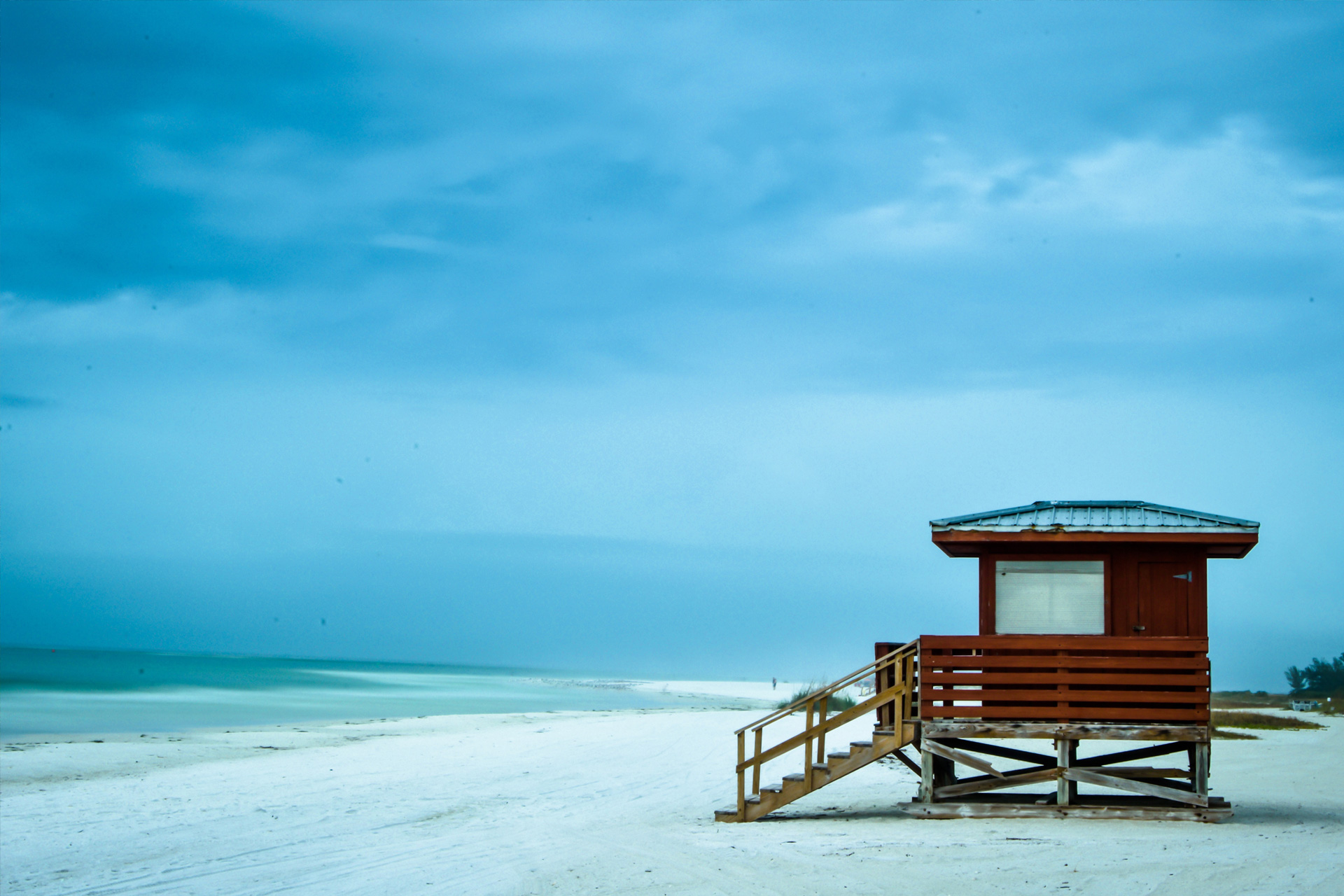
Lido Key Beach
Lido Key, Florida is one of the state’s most underrated vacation destinations. This island combines the tranquil laid-back feel of Anna Maria Island with the vibrant entertainment scene of Siesta Key. You’re also just minutes away from downtown Sarasota, giving you even more to enjoy. One of the best features of Lido Key is Lido Key Beach, which draws crowds from miles around and still has room for everyone. Here is everything you need to know about visiting Lido Key Beach, just a moment away from our Lido Key rentals.
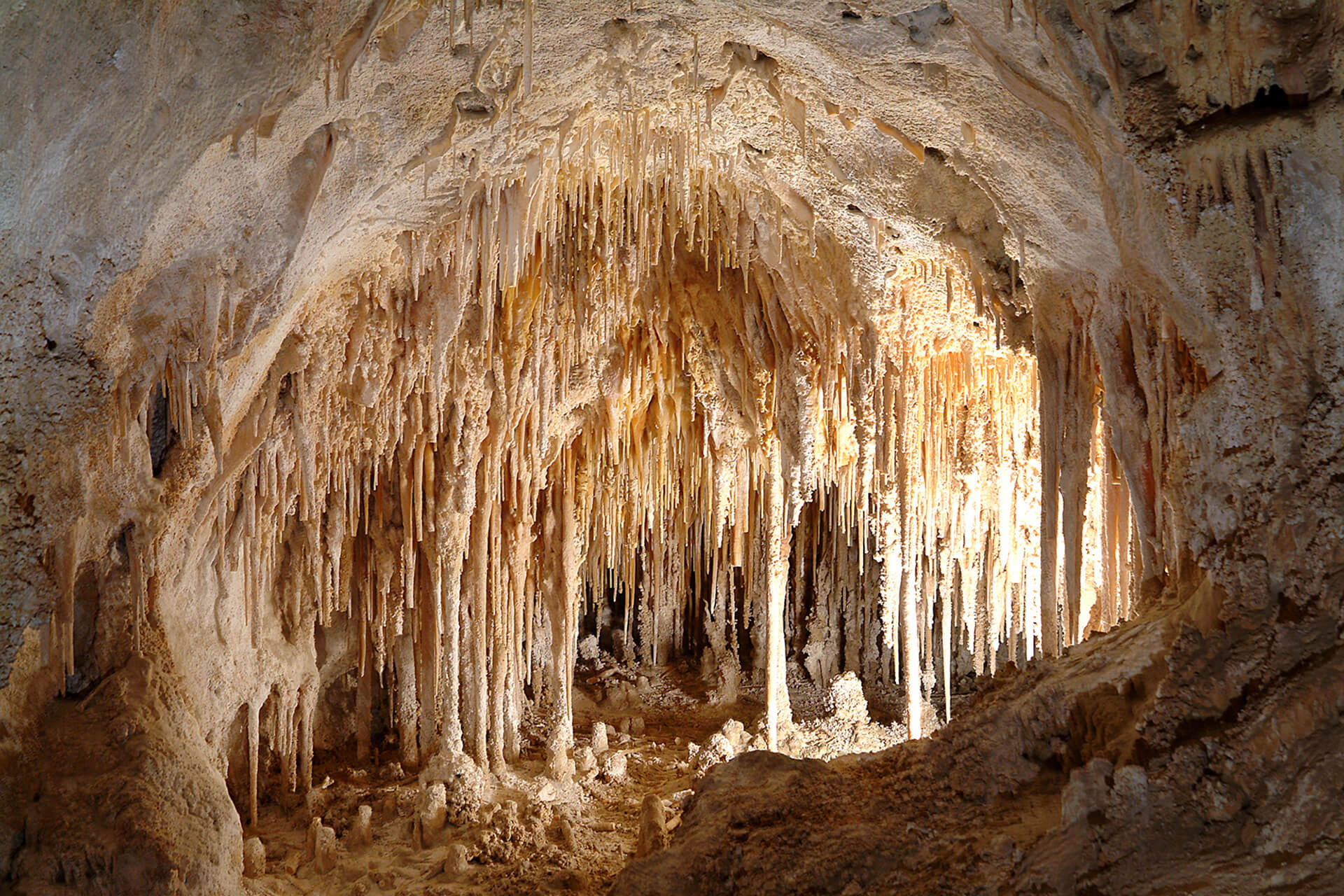
Carlsbad Caverns National Park
This karst landscape in the state of New Mexico comprises over 80 recognized caves. They are outstanding not only for their size but also for the profusion, diversity and beauty of their mineral formations. Lechuguilla Cave stands out from the others, providing an underground laboratory where geological and biological processes can be studied in a pristine setting.
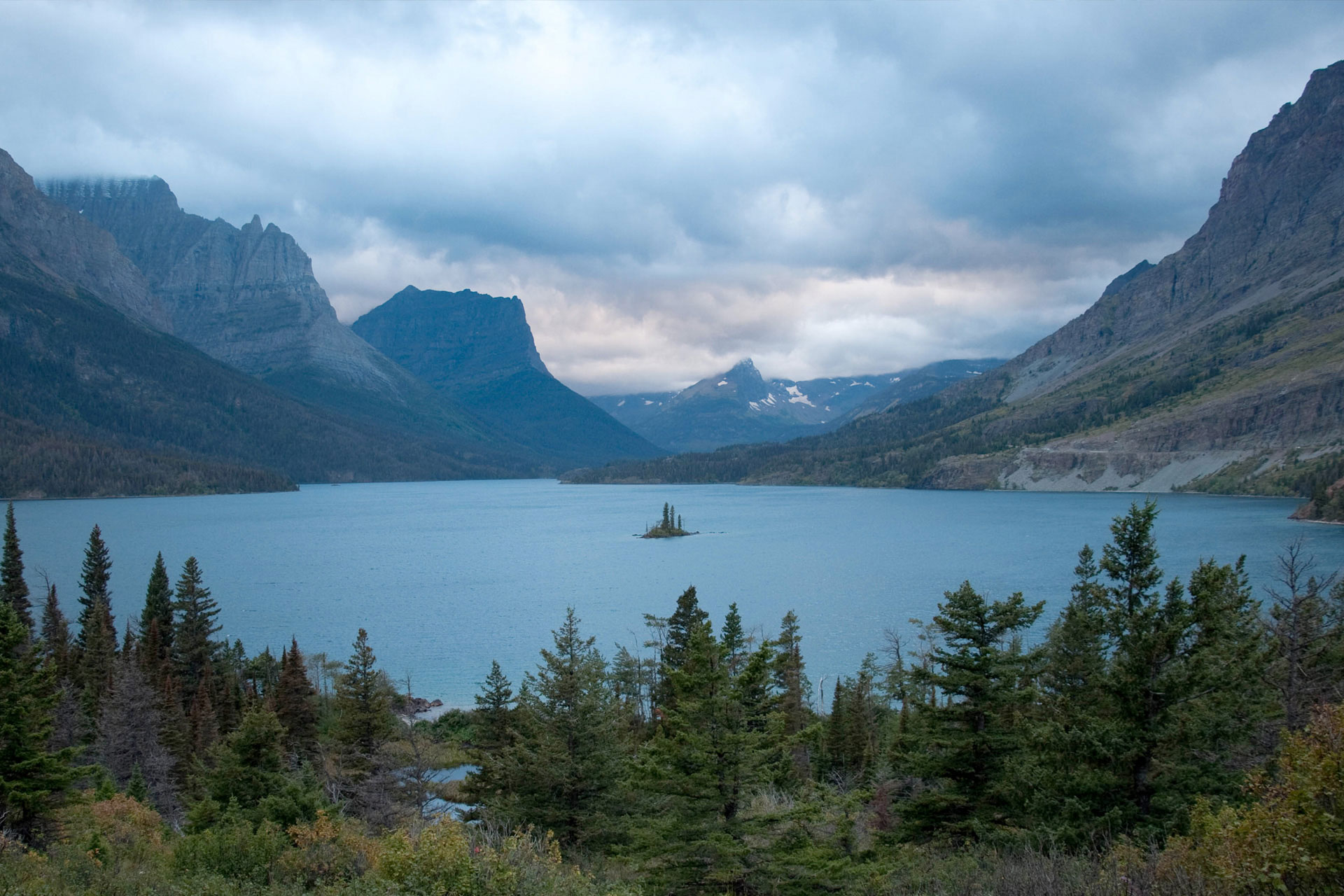
Waterton Glacier International Peace Park
In 1932 Waterton Lakes National Park (Alberta, Canada) was combined with the Glacier National Park (Montana, United States) to form the world’s first International Peace Park. Situated on the border between the two countries and offering outstanding scenery, the park is exceptionally rich in plant and mammal species as well as prairie, forest, and alpine and glacial features.
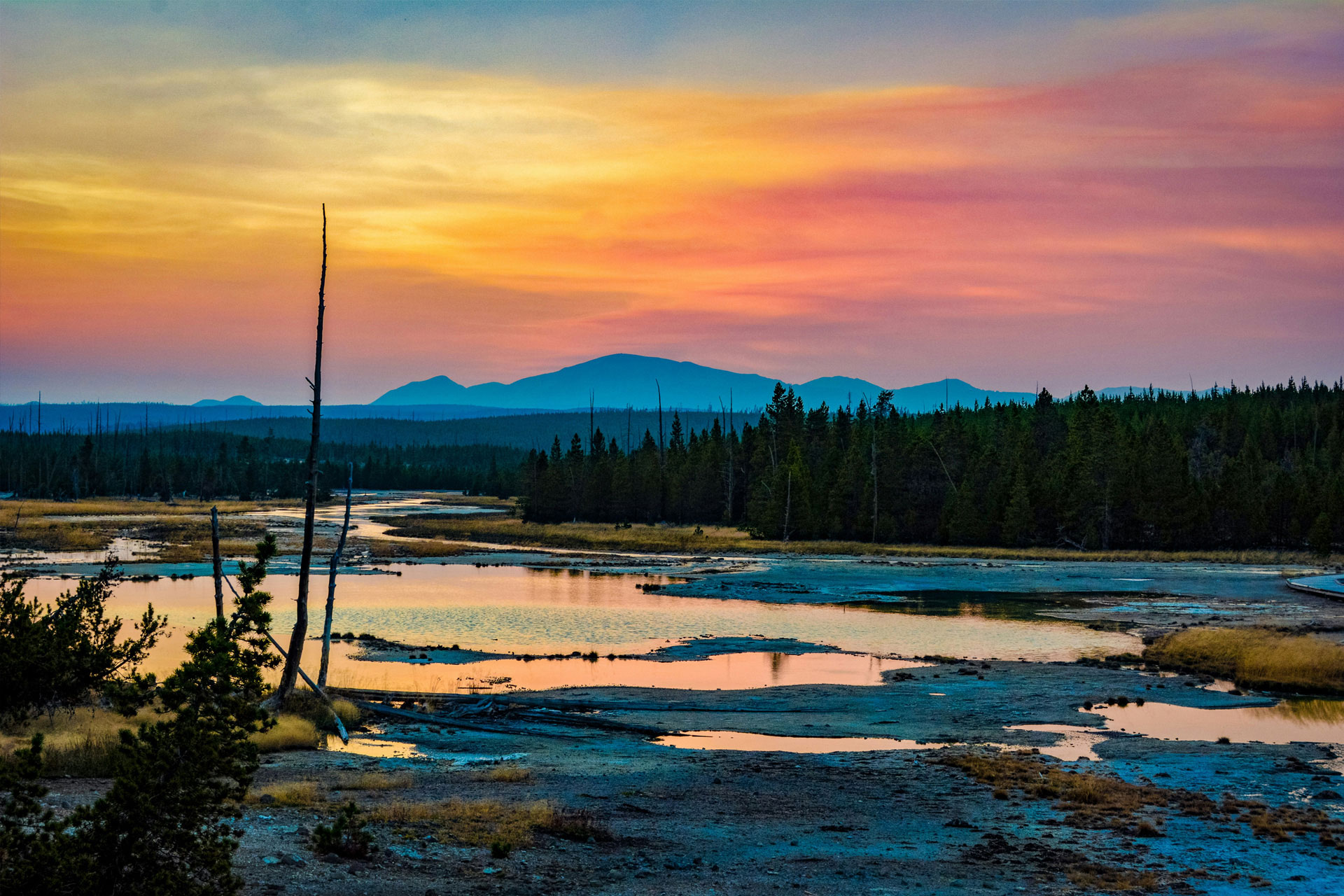
Yellowstone National Park
The vast natural forest of Yellowstone National Park covers nearly 9,000 km2 ; 96% of the park lies in Wyoming, 3% in Montana and 1% in Idaho. Yellowstone contains half of all the world’s known geothermal features, with more than 10,000 examples. It also has the world’s largest concentration of geysers (more than 300 geyers, or two thirds of all those on the planet). Established in 1872, Yellowstone is equally known for its wildlife, such as grizzly bears, wolves, bison and wapitis.
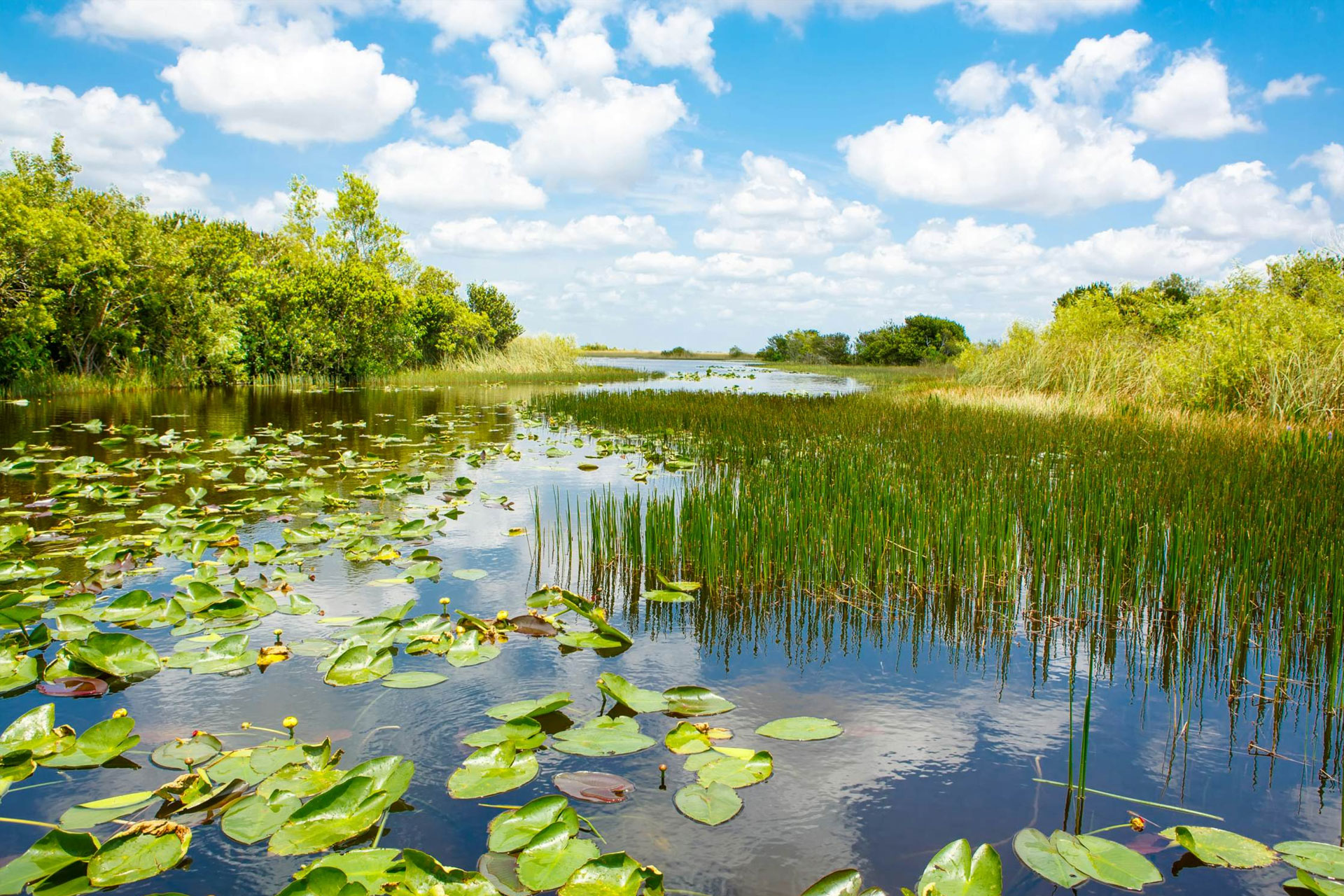
Everglades National Park
This site at the southern tip of Florida has been called ‘a river of grass flowing imperceptibly from the hinterland into the sea’. The exceptional variety of its water habitats has made it a sanctuary for a large number of birds and reptiles, as well as for threatened species such as the manatee.